Story by Danielle Gibson
There’s still a sweet spot in the classic muscle carmarket, one that hasn’t been completely swallowed up by trailer queens and six-figure builds. You just have to know where to look.
While the spotlight stays fixed on big-name badges and flashy vinyl stripes, a few under-the-radar machines are quietly holding the line for big-block muscle. No, these aren’t the models out winning beauty contests or dominating auction headlines, but they’ve got the bones, the torque, and just enough street cred to turn heads once people figure out what they’re looking at.
What makes these cars so special isn’t just what’s under the hood. It’s how much they still offer for the money. In a world where even headache-inducing GTOs and Chevelles require deep pockets, there’s something refreshing about a car that’s still affordable, still powerful, and still not trying too hard. This one checks all the right boxes. And chances are, you’ve been sleeping on it, too.
Why the Grand Prix SJ 455 Is A Quiet Monster Big Block Bargain
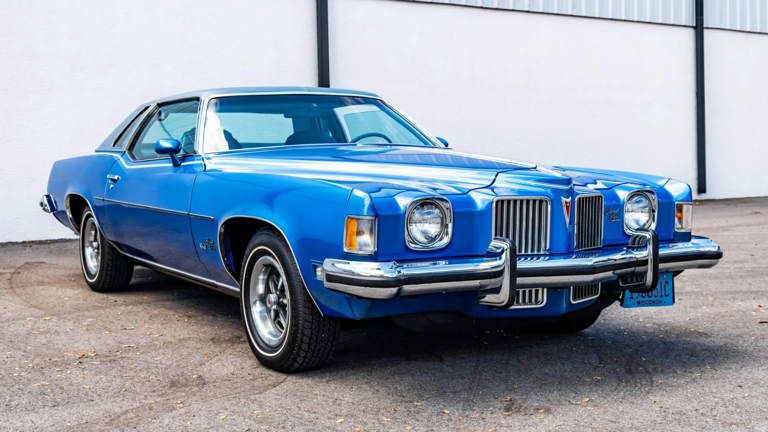
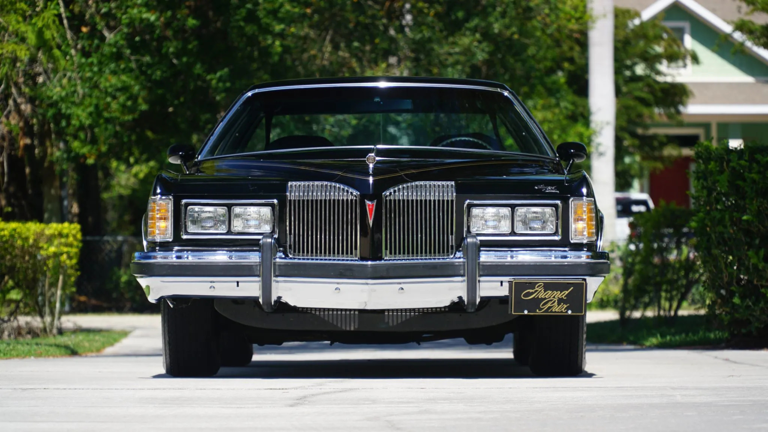
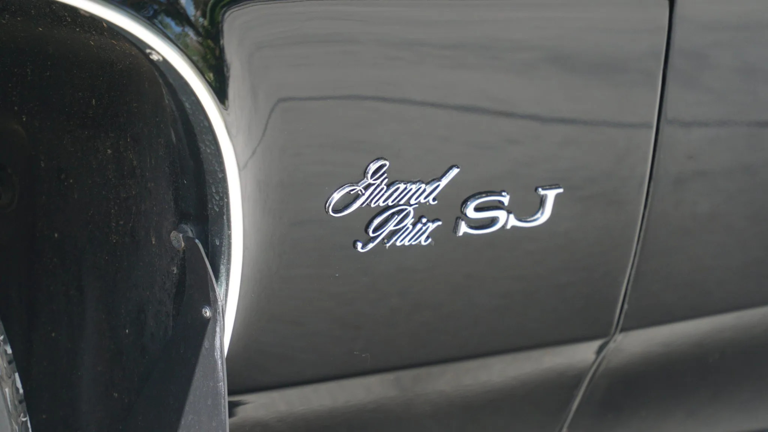
It doesn’t shout muscle car from across the parking lot, but the ’73 Grand Prix SJ isn’t messing around. Behind that luxury facade is a 455-cubic-inch torque monster that’s got more street cred than it gets credit for.
The third-gen Grand Prix hit the market in 1969, but by 1973, it had grown into a longer, heavier, more luxurious machine. The 1973 Pontiac Grand Prix SJ was Pontiac’s answer to the rising personal luxury segment. Still, that didn’t mean it had gone soft. The SJ trim came standard with a massive 455-cubic-inch V8, pumping out 250 horsepower and 370 lb-ft of torque.
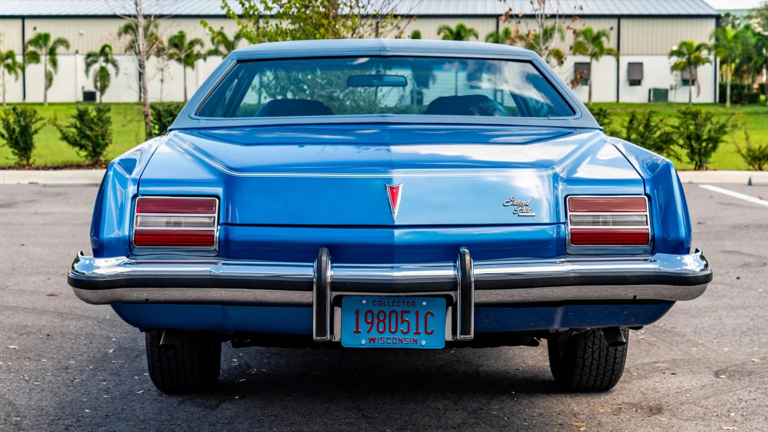
While the SJ trim wasn’t built to shred drag strips, it could roast tires with ease. According to Hot Rod, Pontiac produced over 150,000 Grand Prix models in 1973. However, only a little over 20,000 luxury SJ performance trims with the high-output 455 were produced that year. That makes the 455 SJ not only rarer but one of the most overlooked big-block offerings of the era.
Sure, the Grand Prix SJ is not as loud as a Judge or as flashy as a Trans Am, but that’s the point. The Grand Prix SJ flew under the radar in its day, and still does. It delivered muscle car grunt with Cadillac comfort, making it one of the smartest sleeper buys in the game. For gearheads who know what they’re looking at, this Pontiac is less of a curiosity and more of a quiet legend that’s still flying below market hype.
What Makes The 455 V8 So Special
1973 Pontiac Grand Prix SJ Specs
Pontiac’s 455-cubic-inch V8 wasn’t just big. No, it’s the type of engine that’s built to throw down in the left lane. Introduced in 1970 as the muscle car wars were starting to cool off, the 455 was Pontiac’s answer to rising displacement limits and a shifting performance landscape. But this engine didn’t show up to impress dyno sheets. It showed up to move weight with authority. This thing was all about low-end torque and real-world grunt. And that’s what made it so special.
The version stuffed into the 1973 Grand Prix SJ was the L75 code, which made 250 horsepower and 370 lb-ft of torque. That might not sound like much on paper, especially compared to the inflated gross figures of the late ’60s, but this motor wasn’t built for paper racing. It was tuned for usable power and loads of it, right off idle.
What made the Pontiac 455 unique wasn’t just the size. It was how it delivered that torque. It pulled like a freight train and stayed cool under pressure. It was also one of the last big-displacement motors Pontiac used before emissions choked out the golden era for good.
Plenty of big-blocks came and went, but Pontiac’s 455 earned a reputation for torque-rich longevity. Today, it’s still one of the most affordable ways to get behind the wheel of a true big-inch American V8 with factory muscle car DNA baked in.
How Much Does a 1973 Grand Prix SJ Cost Today?
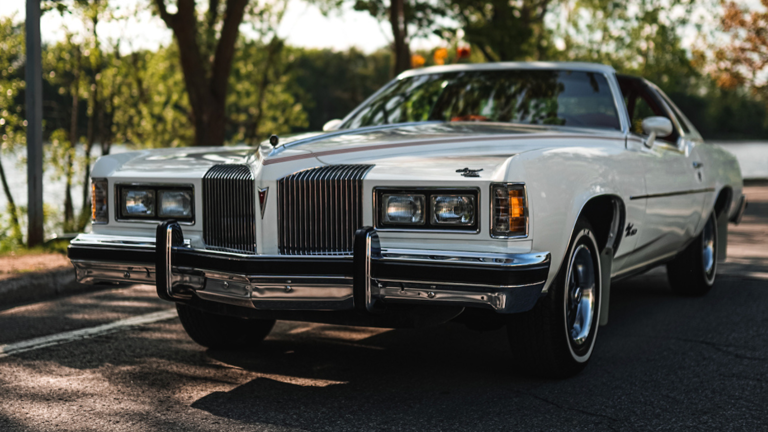
Back in 1973, the standard Grand Prix sold with an MSRP of $4,583. However, a Grand Prix SJ equipped with the optional 455‑cubic‑inch V8 cost a bit more. Per J.D. Power, the SJ trim started out at $4,962. The Grand Prix SJ was Cadillac creature comforts dressed in Pontiac’s muscle car heartbeat. Most buyers didn’t even know they were getting one of the last big‑block icons before emission mandates really took hold.
Today, you’ll have to pay more than $5K to get your hands on one of these legends, though. But don’t sweat it. The SJ models are still available at a steal of a price for a classic car of this caliber. According to Classic.com, the average auction price for a 1973 Pontiac Grand Prix is $17,745. Of course, values sharpen further if it’s a numbers‑matching 455 car. While there are a limited number of these models available, if you know how to play your cards right, there are still plenty of opportunities to get behind the wheel of an SJ trim.
Just take a look at this bold 1973 Pontiac Grand Prix SJ, finished in brown with a white top. This modified model only has 552 miles on the odometer and is currently being offered at $16,900 at GR Auto Gallery.
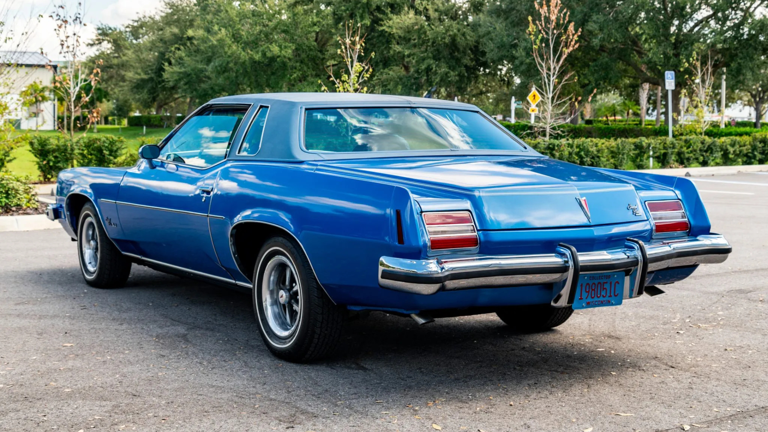
Another stunner is this blue 1973 Pontiac Grand Prix SJ. With just 7,000 miles on the odometer, this SJ model recently sold for a cool $23,500 on Bring A Trailer.
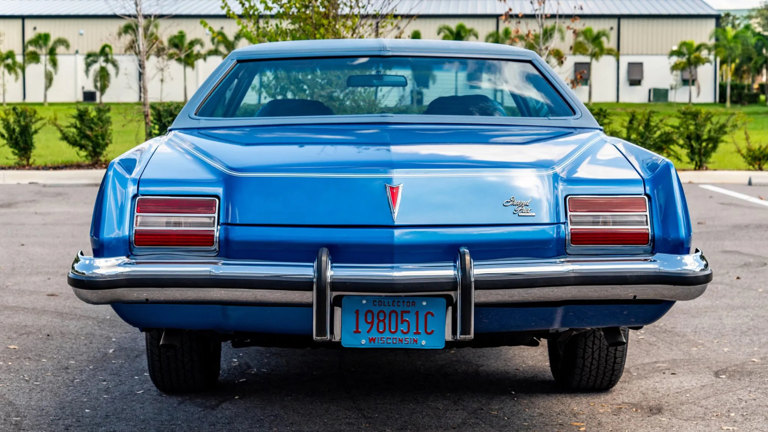
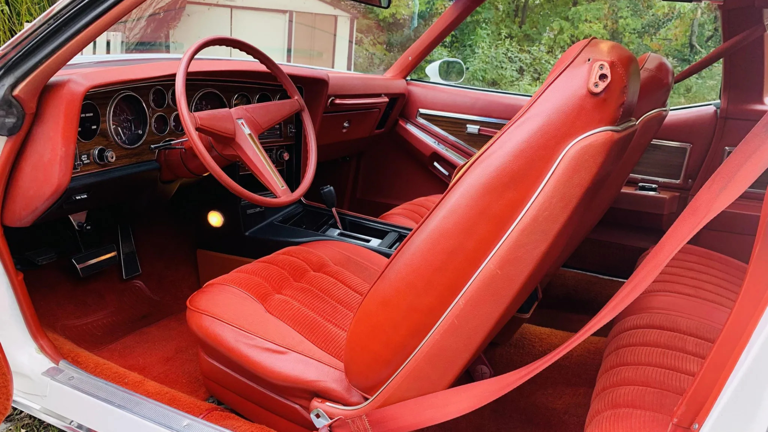
So, why does the SJ deserve a spot in your garage? Well, what makes the SJ versions special is more than just the engine badge. With these model trims, you get rally‑tuned suspension, special gauge clusters, opulent interiors, and of course, that torque‑rich 455 power that’s all wrapped in a personal luxury package that wasn’t marketed as a drag racer. That sleeper combo makes it rare, desirable, and still affordable compared to GTOs or Trans Ams from the era.
For collectors or enthusiasts, it’s an intelligent pick. You’re scoring genuine big‑block power, decent rarity, rust‑fixable framework, and a value floor that hasn’t yet exploded, especially if originality is intact. Bottom line? It’s a smart muscle play: comfortable, capable, historically significant, and still a bargain in muscular chrome.
Big-Block Muscle: What Else Is Out There?
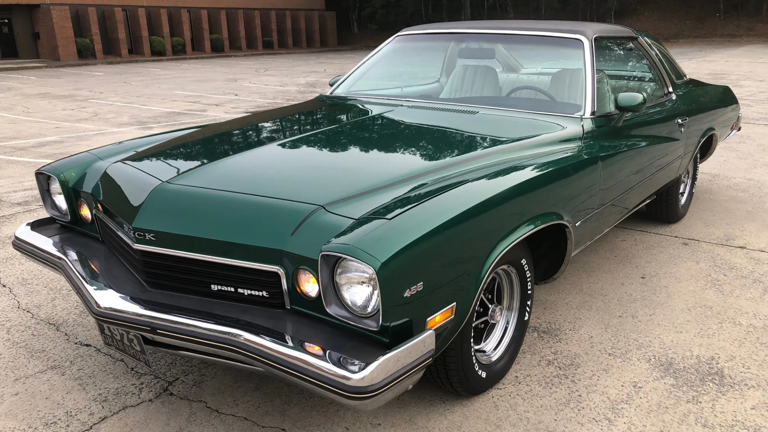
Big-block power doesn’t always come with stripes, spoilers, or sky-high price tags. If you’re willing to look past the obvious picks, there are still a few torque-heavy classics hanging out in the shadows. These are cars with real muscle under the hood and just enough attitude to make purists raise an eyebrow. They weren’t poster cars back in the day, and they’re not topping auction blocks now. But that’s exactly what makes them worth a closer look. Two more big‑block sleepers that are worth a serious look at are the 1973 Buick Century / GS 455 Stage I and the 1973 Oldsmobile Cutlass Hurst/Olds 455.
1973 Buick Century / GS 455 Stage I
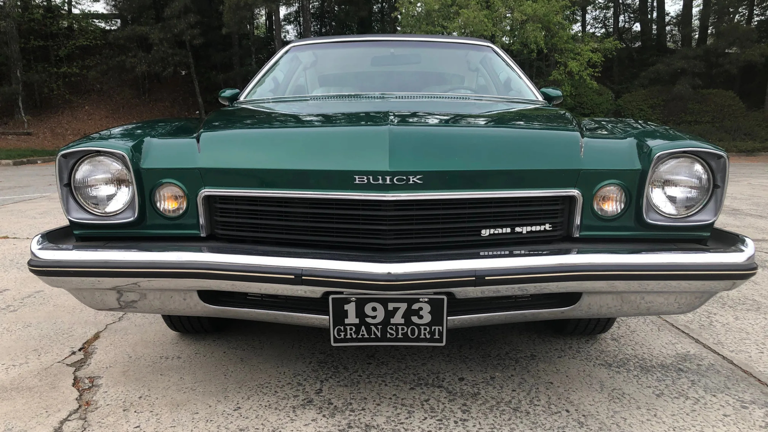
This Buick hides a 455‑cubic‑inch V8 under a relaxed personal luxury shell. But don’t let that fool you. Per Fastest Laps, the 1973 Buick Century / GS 455 Stage I pushes out 360 horsepower and 510 lb-ft of torque. Thus, the GS 455 pulls hard in the left lane without drawing the typical muscle car glare. According to Classic.com, the average market price for a 1973 Buick Century is around $26,156. However, some examples have been snagged for as little as $18,000.
1973 Oldsmobile Cutlass Hurst/Olds 455
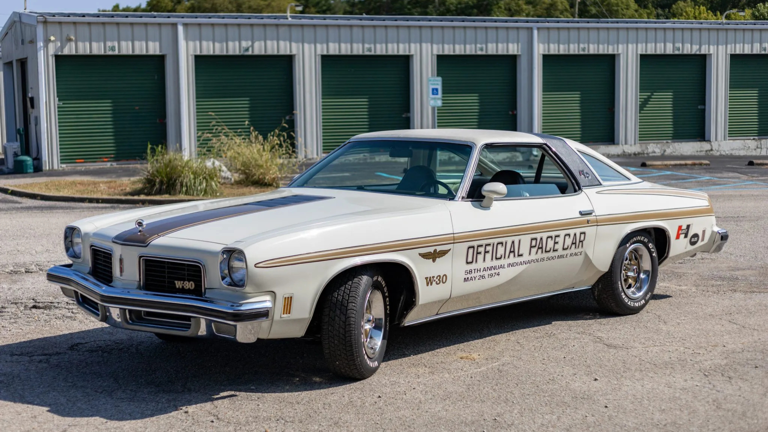
The Oldsmobile Cutlass Hurst/Olds is a rare W‑30 companion to the Grand Prix. It packs a 455-cubic-inch V8 and a unique factory performance pedigree. According to Fastest Laps, this big block sleeper was pushing 390 horsepower and 500 lb-ft of torque. Per Classic.com, the average market price for a 1973 Oldsmobile Hurst/Olds is around $35,750. Though fewer examples are traded, it’s a standout option if you find one in solid condition.
Both cars give you factory big‑block torque in a package most people walked past. In a collection, they offer smart-muscle cred without the massive prices that come with GTOs or Trans Ams.
Call it what you want: luxury coupe, personal muscle car, or sleeper, but the ’73 Grand Prix SJ 455 is still one of the smartest big-block buys out there. It isn’t some forgotten footnote from the muscle car era, either. It’s one of the sharpest plays in big-block ownership without draining your wallet or taking out a second mortgage. And the best part? It’s still flying under the radar. While the spotlight stays fixed on GTOs, Chevelles, and Road Runners, cars like the SJ are quietly holding the line for old-school American muscle. So if you’re hunting for something rare, powerful, and still within reach, this is your window, because sleepers don’t stay asleep forever.
Sources: Classic.com, Hagerty, Hot Rod.