While modern engines often chase peak numbers through complexity, the 7.3L Power Stroke V8 remains the most beloved diesel engine in Ford’s history for one simple reason: it was built to last forever. Produced between 1994.5 and 2003 by Navistar International, this engine powered nearly 2 million trucks and became the benchmark for reliability.
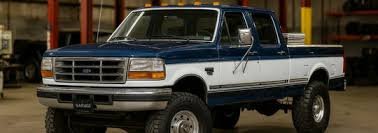
A Brief History
The 7.3L Power Stroke was a revolutionary leap over the older “IDI” (Indirect Injection) engines it replaced.
• 1994.5 Launch: Introduced direct injection and the HEUI (Hydraulic Electronic Unit Injection) system, which used high-pressure engine oil to fire fuel injectors.
• 1999 Evolution: With the launch of the Super Duty platform, Ford added an intercooler and a wastegated turbocharger, significantly boosting performance.
• 2003 Retirement: Production ended in 2003 as stricter EPA emissions standards forced a move toward more complex designs, like the 6.0L Power Stroke.
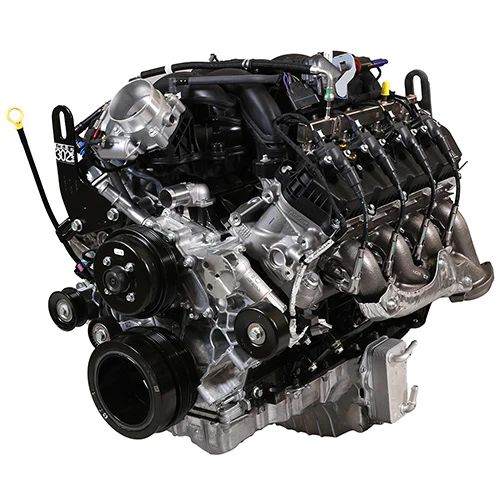
Why It Is Considered “The Best”
For truck enthusiasts and professionals, the 7.3L is often called “bulletproof” for its heavy-duty architecture and mechanical simplicity.
• Simple Architecture: It was built before the era of complex emissions hardware like DEF (Diesel Exhaust Fluid) or DPF (Diesel Particulate Filters), which are common failure points in modern diesels.
• Stout Construction: The engine features a massive cast-iron block and heads, a forged steel crankshaft, and six head bolts per cylinder to handle extreme pressure.
• Incredible Longevity: It is widely accepted that a well-maintained, stock 7.3L can easily reach 400,000 to 500,000 miles.
• Serviceability: Its straightforward design makes DIY repairs and aftermarket upgrades significantly easier compared to newer, electronically-crowded engines.
Specifications Through the Years
The Reality Check: Common “Quirks”
Even the best engines have minor flaws. For the 7.3L, these are usually sensors rather than internal failures:
• Camshaft Position Sensor (CPS): The most famous issue; a $25 part that can cause the truck to stall unexpectedly.
• Under-Valve Cover Harness (UVCH): Wiring can come loose or melt over time, causing a misfire.
• IPR Valve & ICP Sensor: Components that manage the high-pressure oil system can wear out, leading to rough idling or starting issues.
Despite these minor hurdles, the 7.3L Power Stroke remains the “Gold Standard” for anyone looking for a truck that prioritizes uptime over all else.
1994.5 – 1997 Models
• Horsepower: 210–225 HP
• Torque: 425–450 lb-ft
• Key Features: Non-intercooled, TP38 Turbocharged
1999 – 2000 Models
• Horsepower: 235 HP
• Torque: 500 lb-ft
• Key Features: Added Intercooler, GTP38 Turbocharged
2001 – 2003 Models
• Horsepower: 250–275 HP
• Torque: 525 lb-ft
• Key Features: Highest factory output for the 7.3L