In a world of fuel injection and LS swaps, there is still nothing that beats the sound, smell, and soul of a carbureted V8. But for the new generation of builders, looking at a catalog of carburetors can feel like reading a foreign language. Double pumpers? Vacuum secondaries? CFM?
Don’t panic. Picking the right carb isn’t black magic—it’s just math and honesty. Here is how to pick the right fuel mixer for your build without drowning in gasoline.
1. Size Matters (But Bigger Isn’t Better)
The biggest mistake new builders make is “Over-Carbing.” You might think slapping an 850 CFM carb on your stock 350 Chevy will make it a race car. It won’t. It will just make it smell like unburnt gas, foul your spark plugs, and hesitate at stoplights.
The Formula:
Carburetors are measured in CFM (Cubic Feet per Minute). To find what your engine actually needs, use this simple formula:
$$\frac{\text{Cubic Inches} \times \text{Max RPM}}{3456} = \text{Ideal CFM}$$
The “Cheat Sheet” for Street Cars:
If you hate math, just follow these general rules for a street-driven V8:
- Stock Small Block (289, 305, 350): 500 – 600 CFM. https://amzn.to/3ZHT8M4
- Mild Performance Small Block (Headers, intake, mild cam): 600 – 650 CFM. https://amzn.to/4bZK24L
- Hot Street Small Block or Mild Big Block (383, 454): 700 – 750 CFM. https://amzn.to/4rpKRJ1
- Race Only: 850+ CFM (If you are reading this guide, you probably don’t need this yet). https://amzn.to/4bVfeSB
Pro Tip: It is always better to be slightly under-carbed than over-carbed. A smaller carb gives you snappy throttle response on the street, which is where you spend 99% of your time.
2. Vacuum vs. Mechanical Secondaries
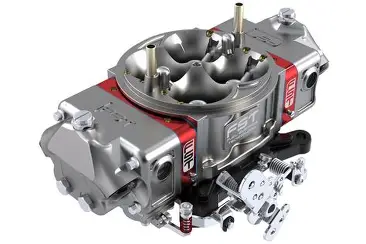
This refers to how the back two barrels of the carburetor open up when you floor it.
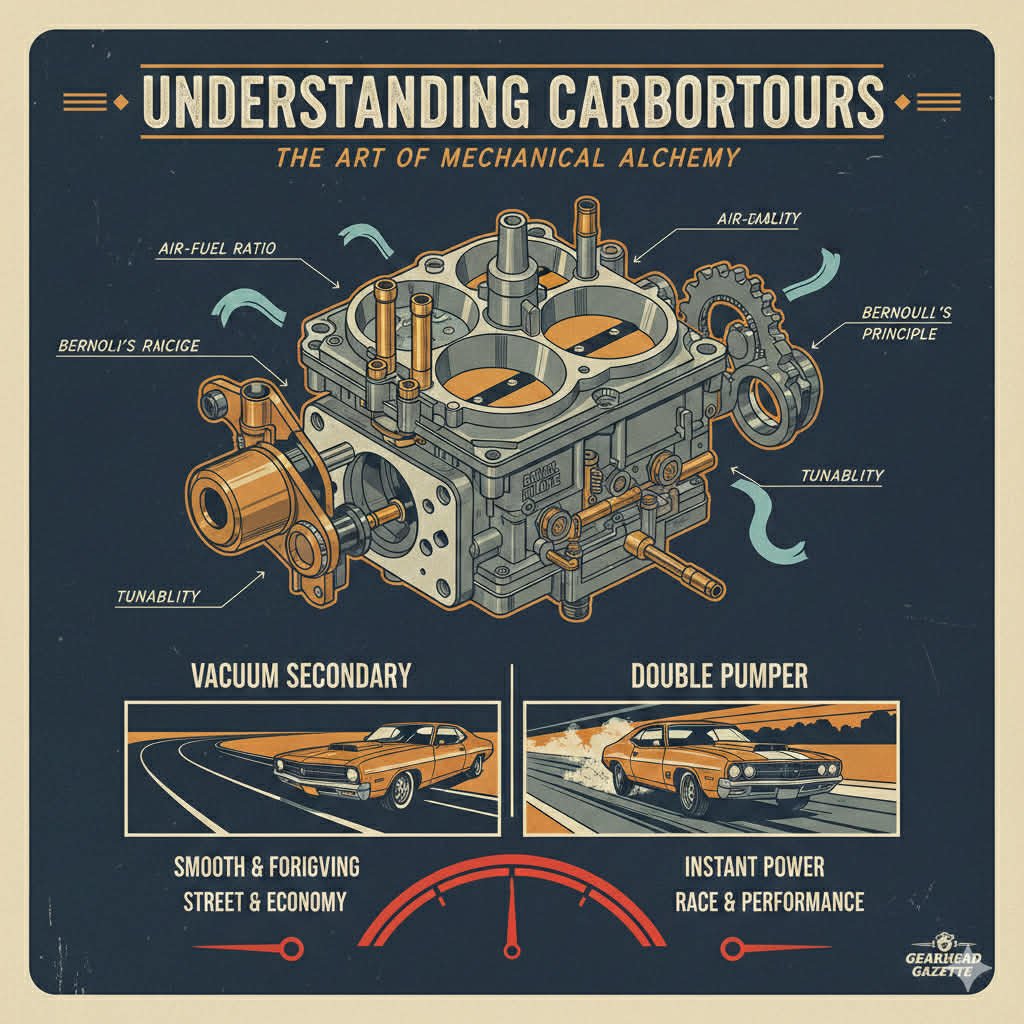
- Vacuum Secondaries (The Street King): These rely on engine vacuum to open the rear barrels. They open gradually as the engine “asks” for more air.
- Best for: Automatic transmissions, heavy cars, and daily drivers. It prevents that “bog” when you mash the gas.
- Mechanical Secondaries (The “Double Pumper”): The rear barrels open mechanically the instant your foot hits the floor.
- Best for: Manual transmissions, light cars, and high-performance engines with deep rear gears.
- The Verdict: If you are a beginner with an automatic transmission cruiser, stick to Vacuum Secondaries.
3. The Choke: Getting Started
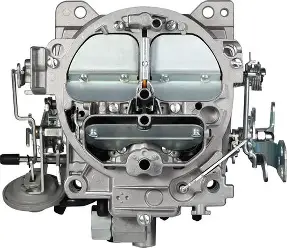
The choke restricts air when the engine is cold to help it start.
- Electric Choke: Hook up one wire, and the carb does the work for you. It warms up and opens automatically. Highly recommended for beginners.
- Manual Choke: You have a cable inside the car. You pull it to start, push it in as it warms up. It’s cool and old-school, but annoying if you forget to push it back in.
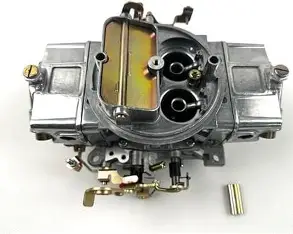
4. The Brand Battle: “Tune” vs. “Cruise”
While there are many brands, it usually comes down to two main styles design-wise:
- The “Holley” Style (Holley, Quick Fuel, Demon):
- Pros: Infinite tunability. You can swap jets, power valves, and squirters to make it perfect. Parts are available everywhere.
- Cons: They can leak if gaskets dry out, and they sometimes require more tinkering to stay perfect.
- Vibe: The Hot Rodder’s choice.
- The “Carter/Edelbrock” Style (Edelbrock AVS/Performer):
- Pros: “Set it and forget it.” Very reliable, holds a tune forever, and generally great for just cruising.
- Cons: Harder to fine-tune for maximum horsepower.
- Vibe: The Cruiser’s choice.
The Dream Factory Verdict
For your first build—assuming you have a mild small block Chevy or Ford with an automatic transmission—here is your shopping list:
- Size: 600 CFM.
- Style: Vacuum Secondaries.
- Choke: Electric.
Keep it simple. Get it running. Then, once you learn the sound of your engine, you can start tuning for more power.