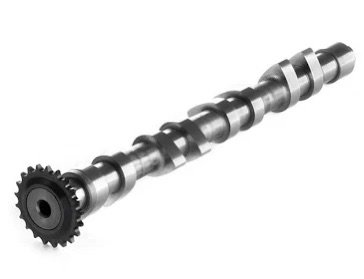
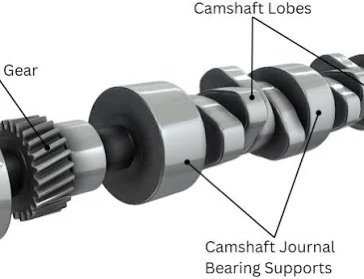
The camshaft is the brain of your engine. It tells the valves when to open, how long to stay open, and when to slam shut.+1
Most new builders pick a cam based on one thing: Sound. They want that heavy, rhythmic “chop-chop-chop” at the stoplight. But picking a cam just for sound is the fastest way to build a slow, miserable car.
Here is the no-nonsense guide to Duration, Lift, and Ratios—and how to pick the right stick for your street machine.

1. The Big Number: Duration
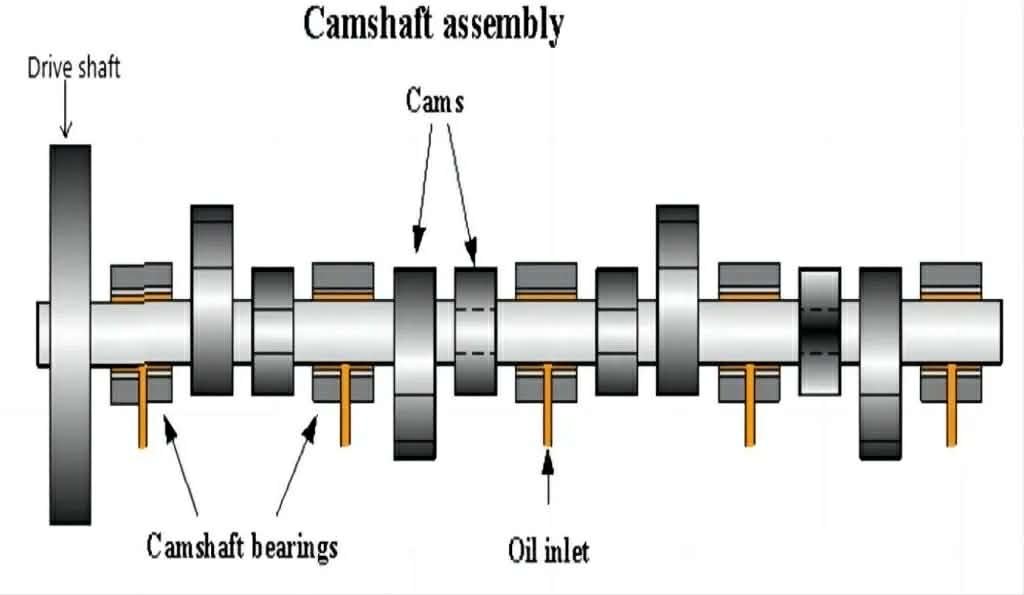
When you look at a cam card, you’ll see “Duration at .050.” This is the most honest number to look at. It measures how long (in degrees of crankshaft rotation) the valves stay open.
- Short Duration (Under 210° @ .050):
- The Vibe: Smooth idle, massive low-end torque.
- Best For: Heavy trucks, towing, stock daily drivers.
- Medium Duration (215° – 230° @ .050):
- The Vibe: Noticeable idle “lope,” strong mid-range power.
- Best For: Street muscle (G-Bodies, Camaros) with mild upgrades.
- Long Duration (235°+ @ .050):
- The Vibe: Violent, choppy idle. Screams at high RPM.
- The Catch: It kills your low-end power. You need a high-stall torque converter and deep gears (3.73+) to even drive it.
2. The “Chop” Secret: LSA (Lobe Separation Angle)
Want that aggressive idle sound? You are looking for the LSA. This is the distance (in degrees) between the intake lobe and the exhaust lobe.
- Tight LSA (106° – 110°): The valves overlap more. This creates that choppy, race-car idle. It makes peak power very “spiky” and narrow.
- Wide LSA (112° – 116°): Smoother idle (almost like stock). It creates a wider, smoother power band that is easier to drive on the street.
Rule of Thumb: A 110° LSA sounds mean, but a 112° or 114° is often faster for a heavy street car because it makes power over a broader range.
3. The Height: Lift
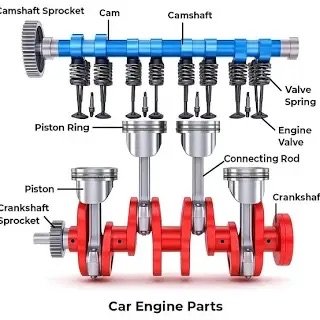
Lift is simply how far the valve opens to let air in.
- Under .450″ Lift: Stock valve springs can usually handle this.
- Over .470″ Lift: You generally need to upgrade your valve springs. If you don’t, the springs will bind (crash into themselves) and you will destroy your engine.
- Pro Tip: High lift adds power without hurting driveability much, unlike duration.
4. The “Hidden” Ratios
There are two ratios that matter when picking a cam:
A. Compression Ratio vs. Cam Size
- The Trap: Big cams (long duration) bleed off cylinder pressure at low RPM.
- The Fix: If you have a stock, low-compression engine (like a smog-era 350 from the late 70s), do NOT install a massive cam. It will feel sluggish and weak. You need high compression (9.5:1 or higher) to run a big cam effectively.
B. Rocker Arm Ratio
This is the “Cheater’s Horsepower.” Most Small Block Chevys come with 1.5 ratio rocker arms.
- If you swap to 1.6 ratio rockers, you essentially open the valve further (more lift) without changing the cam itself.
- Example: A cam with .450″ lift becomes .480″ lift just by swapping rockers. It’s an easy bolt-on upgrade.
The Dream Factory Verdict: Choosing Your Cam
Don’t over-cam your car. Be honest about what you are building.
The “RV / Towing” Build:
- Specs: 204°/214° Duration, .420/.440 Lift, 112 LSA.
- Result: Tires roast instantly off the line. Runs out of breath at 4,500 RPM. Great for heavy trucks.
The “Saturday Night Special” (Best for Beginners):
- Specs: 218°/224° Duration, .460/.470 Lift, 110 LSA.
- Result: Has that “choppy” idle everyone wants. Strong power from 2,000 to 5,500 RPM. Works with a stock converter (mostly) but loves a mild stall (2000 RPM). This is the sweet spot for a G-Body.
The “Strip Warrior”:
- Specs: 230°+ Duration, .500″+ Lift, 108 LSA.
- Result: Sounds like a war zone. Needs 10:1 compression, 3000+ stall converter, and 4.11 gears. miserable to drive in traffic, but flies at the track.
Steel & Soul – Dream Factory Garage